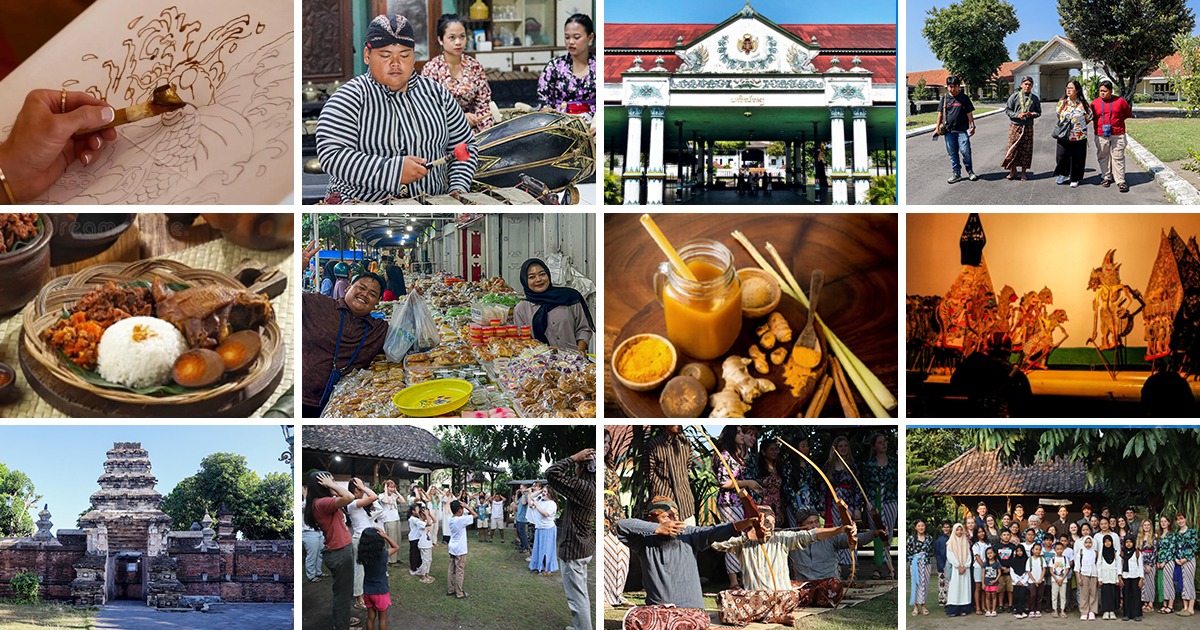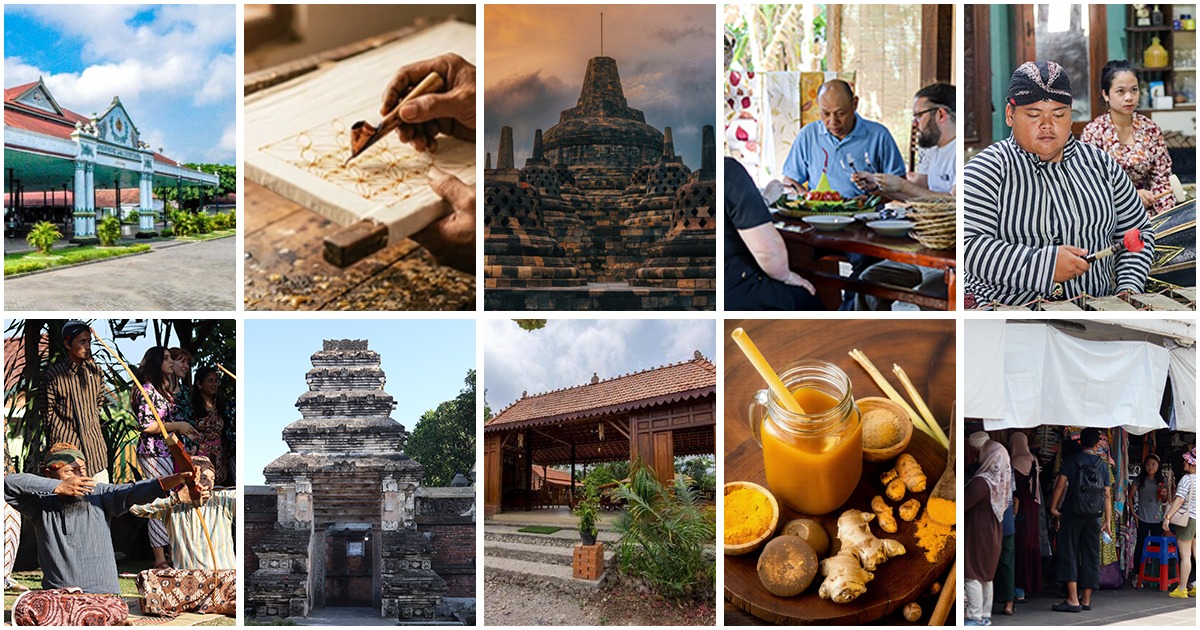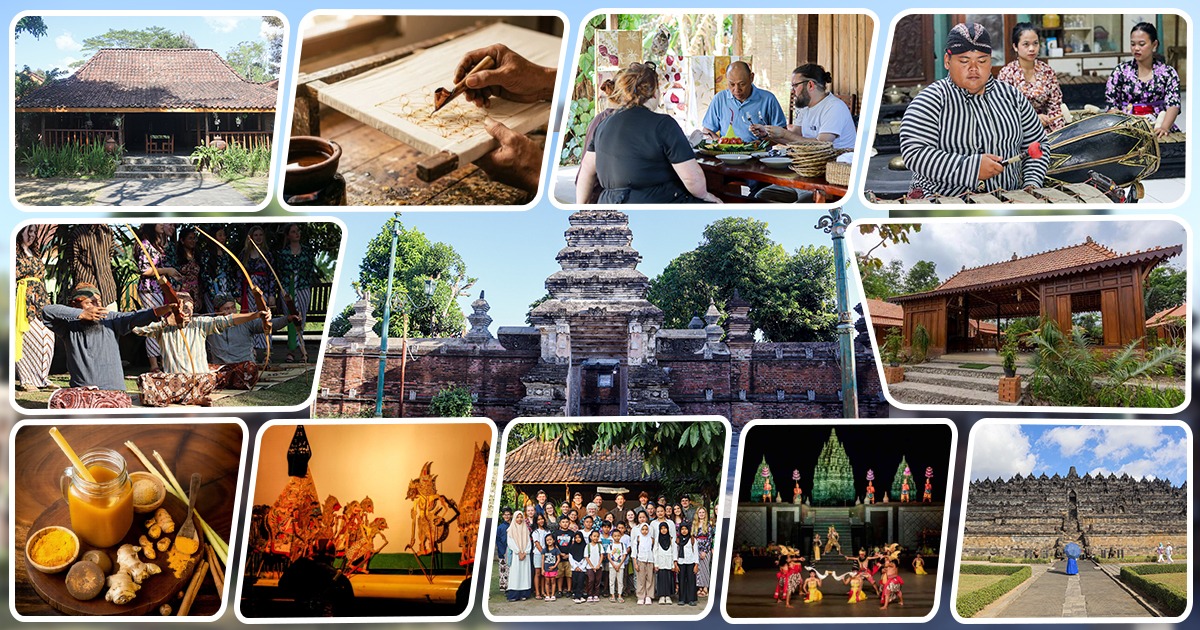
Looking for the hidden gems in Yogyakarta?
Beyond Borobudur, Prambanan, Keraton, and Malioboro lies another side of Jogja that many visitors never experience.
Yogyakarta is famous for its temples, royal heritage, batik, food, and vibrant streets. But some of the most memorable experiences can be found away from the main tourist routes — in quiet heritage neighborhoods, traditional villages, small workshops, ancient temples, rural landscapes, local markets, and places where everyday life continues at its own pace.
These are the places that can make a trip to Yogyakarta feel more personal.
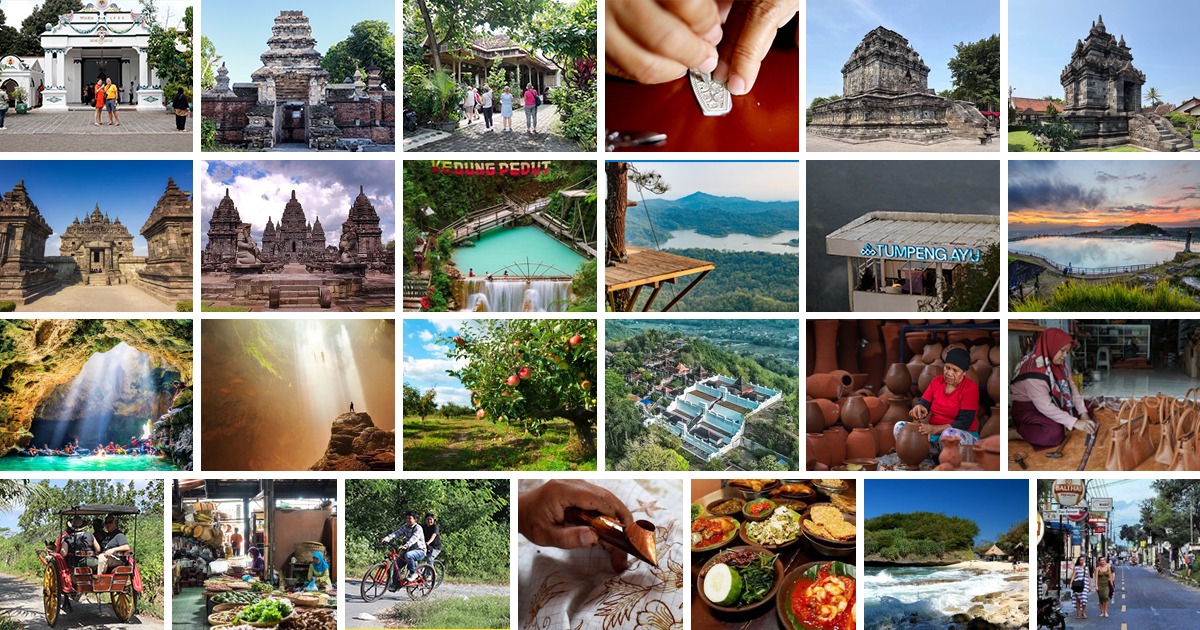
In this guide, we explore 25 hidden gems in Yogyakarta, including lesser-known cultural sites, secret places, local neighborhoods, nature destinations, traditional villages, and unique experiences.
Some are genuinely lesser-known destinations. Others are better described as hidden experiences within well-known areas — places that many visitors pass without stopping.
If you're looking for unusual things to do in Yogyakarta, this is where you should start.
What Makes a Place a "Hidden Gem" in Yogyakarta?
A hidden gem doesn't necessarily mean a place that nobody knows about.
In Yogyakarta, a hidden gem might be:
- A historic neighborhood behind a busy tourist street
- A small temple near a famous monument
- A traditional workshop
- A village surrounded by rice fields
- A local market
- A quiet viewpoint
- A lesser-known heritage site
- A traditional food stall
- A community-based tourism experience
The best hidden gems are often places where you can slow down and experience something rather than simply take a photograph.
Hidden Gems in Yogyakarta at a Glance
| Hidden Gem | Best For | Location / Area |
| Purbayan | Living heritage | Kotagede |
| Kotagede Heritage Alleys | Architecture & history | Southeast Yogyakarta |
| Ndalem Natan | Heritage architecture | Kotagede |
| Silver Workshops | Craft experiences | Kotagede |
| Mendut Temple | Ancient heritage | Magelang |
| Pawon Temple | Ancient heritage | Magelang |
| Plaosan Temple | Photography & history | Prambanan |
| Sewu Temple | Archaeology | Prambanan |
| Kedung Pedut | Nature | Kulon Progo |
| Kalibiru | Views & nature | Kulon Progo |
| Menoreh Hills | Countryside | Kulon Progo |
| Nglanggeran | Volcano & hiking | Gunungkidul |
| Pindul Cave | Adventure | Gunungkidul |
| Jomblang Cave | Adventure | Gunungkidul |
| Kebun Buah Mangunan | Sunrise & views | Bantul |
| Imogiri | Heritage & landscape | Bantul |
| Kasongan | Pottery & crafts | Bantul |
| Manding | Leather crafts | Bantul |
| Tourism Villages | Local life | Around Yogyakarta |
| Traditional Markets | Food & culture | Yogyakarta |
| Village Cycling | Slow travel | Rural Yogyakarta |
| Batik Workshops | Culture | Yogyakarta |
| Local Warungs | Food | Throughout Jogja |
| Southern Beaches | Nature | Gunungkidul |
| Prawirotaman Side Streets | Local atmosphere | Yogyakarta |
1. Purbayan Tourism Village
One of the most interesting places to discover in Yogyakarta is Purbayan, a cultural village within the historic Kotagede area.
Purbayan is connected with the heritage of the Mataram Kingdom and contains layers of history within a living community.
Instead of visiting a single monument, you can explore:
- Traditional houses
- Historic streets
- Heritage structures
- Local crafts
- Traditional food
- Community activities
The Yogyakarta Tourism Portal describes Purbayan as a tourism village with historical and cultural connections to the former Mataram royal center. (visitingjogja.jogjaprov.go.id)
Why visit?
Because this is living heritage.
History isn't separated from everyday life.
2. The Hidden Alleys of Kotagede
Most visitors know Kotagede for silver.
But the real charm of Kotagede is found by walking beyond the main roads.
Explore its:
- Narrow lanes
- Traditional Javanese houses
- Old walls
- Small mosques
- Local food stalls
- Craft workshops
- Historic gates
Kotagede is recognized as a living cultural landscape containing archaeological heritage, traditional craftsmanship, customs, performing arts, and community life. (visitingjogja.jogjaprov.go.id)
Best way to explore
Take a slow heritage walk with a local guide.
Don't rush.
Look at the details.
3. Ndalem Natan
For travelers interested in architecture and heritage, Ndalem Natan offers an opportunity to experience traditional Javanese architecture within Kotagede.
The atmosphere is very different from a conventional tourist attraction.
It provides insight into:
- Traditional house design
- Javanese spatial concepts
- Heritage architecture
- Local history
Best for
Architecture lovers, photographers, couples, and cultural travelers.
4. Kotagede Silver Workshops
Kotagede's silver industry is relatively well known, but visiting an actual workshop is a much more interesting experience than simply buying jewelry.
Watch artisans create:
- Rings
- Bracelets
- Necklaces
- Miniatures
- Decorative objects
The craft has a long connection with Kotagede's cultural identity. (visitingjogja.jogjaprov.go.id)
Make it more meaningful
Ask whether you can see the production process.
Even better, try a hands-on workshop if available.
5. Mendut Temple
Most travelers visiting the Borobudur area focus almost entirely on Borobudur.
But Mendut Temple offers a quieter ancient Buddhist experience.
The temple is located near Borobudur and is often included as part of the wider Buddhist heritage landscape.
Its smaller scale means you can often spend more time observing the architecture without feeling overwhelmed by crowds.
Best for
- History
- Buddhism
- Architecture
- Photography
- Slow travel
6. Pawon Temple
Another lesser-known temple near Borobudur is Pawon Temple.
It is smaller than Borobudur, but historically significant within the same broader cultural landscape.
For travelers interested in ancient Java, visiting:
Borobudur → Pawon → Mendut
creates a much richer experience than visiting Borobudur alone.
7. Plaosan Temple
Located near Prambanan, Plaosan Temple is a fascinating destination for travelers who want to explore beyond the main temple complex.
The architecture and surrounding landscape make it especially interesting for photographers.
Best time to visit
Early morning or late afternoon can provide beautiful light.
Best for
- Photography
- History
- Architecture
- Couples
- Slow travelers
8. Sewu Temple
Located within the broader Prambanan archaeological landscape, Sewu Temple is another destination worth exploring.
Many visitors focus entirely on Prambanan and miss the opportunity to see the surrounding heritage sites.
Sewu offers another perspective on the complex religious history of ancient Java.
Best for
History and archaeology enthusiasts.
9. Menoreh Hills
For travelers who want to escape the city, the Menoreh Hills in Kulon Progo offer spectacular rural landscapes.
Expect:
- Rolling hills
- Rice fields
- Villages
- Viewpoints
- Small roads
- Coffee and local food
- Quiet countryside
The landscape is particularly beautiful in the early morning.
Best for
Nature, photography, couples and slow travel.
10. Kalibiru
Kalibiru became known for its elevated viewpoints overlooking the surrounding landscape.
But the broader appeal is the forest and rural environment.
It can be combined with other destinations in Kulon Progo for a full-day countryside itinerary.
Best for
- Nature
- Photography
- Families
- Couples
- Outdoor activities
11. Kedung Pedut
Looking for something completely different from temples?
Head toward Kedung Pedut, a natural destination in Kulon Progo known for its waterfalls, forest environment, and natural pools.
The journey itself takes you through a more rural side of Yogyakarta.
Best for
Nature lovers, adventure travelers and travelers who want a break from cultural sightseeing.
12. Nglanggeran Ancient Volcano
Located in Gunungkidul, Nglanggeran is an ancient volcanic landscape offering hiking, viewpoints, villages, and rural scenery.
The area is especially interesting because nature and community-based tourism come together.
You can combine the visit with:
- Village activities
- Local food
- Photography
- Short hikes
- Sunset or sunrise experiences
Best for
Adventure, hiking, photography and nature.
13. Pindul Cave
For adventure travelers, Pindul Cave offers an experience very different from central Yogyakarta.
One of its most popular activities involves exploring the cave system by river tubing.
The surrounding Gunungkidul region also provides opportunities to discover rural landscapes and other natural attractions.
Best for
- Adventure
- Families
- Groups
- Young travelers
14. Jomblang Cave
For a more adventurous experience, consider Jomblang Cave.
The cave is known for its dramatic underground landscape and the shaft of sunlight that can enter the cavern under the right conditions.
This is not a casual sightseeing destination.
Access involves physical activity and organized arrangements.
Best for
Adventure travelers and photographers.
Important
Follow all local safety instructions and access requirements.
15. Kebun Buah Mangunan
Located in Bantul, Kebun Buah Mangunan is known for its elevated landscape and views across the surrounding countryside.
It is particularly popular around sunrise.
From the viewpoint, you may see:
- Hills
- Valleys
- Agricultural landscapes
- Morning mist
- Rural villages
Best for
Sunrise, photography, couples and nature lovers.
16. Imogiri
Imogiri is another destination for travelers interested in Javanese history and royal heritage.
The area is associated with the royal cemetery complex of the Mataram royal tradition.
Beyond the historical site itself, the surrounding landscape offers another perspective on southern Yogyakarta.
Best for
History, culture, heritage and architecture.
17. Kasongan Pottery Village
If you're interested in handmade crafts, visit Kasongan, a village known for pottery and ceramics.
Here you can find artisans creating:
- Pots
- Sculptures
- Decorative pieces
- Household objects
- Contemporary ceramics
Rather than buying mass-produced souvenirs, you can see how local craft traditions continue to develop.
Best for
Crafts, shopping, families and cultural travelers.
18. Manding Leather Village
Another interesting craft destination is Manding, associated with leather products.
You can find locally produced:
- Bags
- Shoes
- Belts
- Wallets
- Accessories
For travelers interested in Indonesian craftsmanship, Manding provides an alternative to the usual batik shopping experience.
19. Yogyakarta Tourism Villages
Some of the most rewarding hidden gems in Yogyakarta aren't individual attractions.
They are communities.
Tourism villages around Yogyakarta allow visitors to participate in:
- Traditional cooking
- Farming
- Batik
- Crafts
- Traditional games
- Performing arts
- Local food
- Community activities
For example, Rejowinangun Tourism Village promotes cultural and educational activities involving batik, wayang kulit, traditional performances, herbal experiences, and crafts. (visitingjogja.jogjaprov.go.id)
Why this matters
You don't just observe the culture.
You participate in it.
20. Traditional Markets Outside Malioboro
Malioboro and Beringharjo are famous.
But if you want to experience a more everyday side of Yogyakarta, visit smaller neighborhood markets.
Here you'll find:
- Fresh produce
- Spices
- Traditional snacks
- Flowers
- Local ingredients
- Household products
Markets are excellent places for food travelers and photographers.
But remember:
People are not attractions.
Ask permission before photographing individuals, especially vendors and children.
21. Village Cycling Routes
One of the simplest hidden experiences in Yogyakarta is also one of the most rewarding:
cycling through the countryside.
Leave the city behind and follow small roads through:
- Rice fields
- Villages
- Traditional houses
- Farms
- Irrigation channels
The pace is slow enough to notice the details.
You may see farmers working in the fields, children going to school, or locals preparing food outside their homes.
Best for
- Couples
- Families
- Students
- Photographers
- Slow travelers
22. Small Batik Workshops
The famous batik shops of Yogyakarta are easy to find.
But small workshops are different.
A workshop allows you to see the process:
Design → Wax → Dye → Dry → Finish
You can learn about traditional motifs and sometimes create your own batik.
This is one of the best hidden cultural experiences for first-time visitors.
23. Local Warungs
One of the best hidden gems in Yogyakarta isn't a destination.
It's a warung.
A small local restaurant can offer a more memorable food experience than an expensive tourist restaurant.
Look for:
- Gudeg
- Bakmi Jawa
- Sate
- Pecel
- Tempeh
- Traditional vegetables
- Jamu
Ask locals where they eat.
That's often a better starting point than searching for the most famous restaurant online.
24. The Side Streets of Prawirotaman
Prawirotaman is no longer a secret destination.
But its smaller side streets can still reveal a quieter side of the neighborhood.
Look for:
- Small cafés
- Local art
- Guesthouses
- Independent shops
- Street food
- Traditional houses
The Yogyakarta Tourism Portal describes Prawirotaman as an urban tourism area with an artsy and international atmosphere. (visitingjogja.jogjaprov.go.id)
Best for
Solo travelers, couples, Gen Z and café lovers.
25. The Southern Coast Beyond Parangtritis
Parangtritis is well known.
But continue farther along the southern coast and you'll discover a completely different side of Yogyakarta.
The Gunungkidul coastline contains numerous beaches surrounded by cliffs, hills, caves, and rural landscapes.
Some destinations include:
- Baron
- Kukup
- Krakal
- Sepanjang
- Wedi Ombo
- Mesra
Best for
Road trips, beaches, photography and nature.
Hidden Gems in Yogyakarta by Category
Not sure which hidden gems are right for you?
For History Lovers
- Purbayan
- Kotagede
- Mendut
- Pawon
- Plaosan
- Sewu
- Imogiri
For Nature Lovers
- Menoreh Hills
- Kedung Pedut
- Kalibiru
- Nglanggeran
- Southern beaches
For Adventure
- Jomblang Cave
- Pindul Cave
- Merapi
- Nglanggeran
- Countryside cycling
For Culture
- Tourism villages
- Batik workshops
- Silver workshops
- Kasongan
- Kotagede
For Food Lovers
- Traditional markets
- Local warungs
- Village kitchens
- Javanese cooking classes
For Couples
- Menoreh Hills
- Ratu Boko
- Village cycling
- Kotagede
- Sunset beaches
- Wellness experiences
For Families
- Tourism villages
- Batik workshops
- Pottery
- Village cycling
- Pindul Cave
- Museums
Best Hidden Gems in Yogyakarta for First-Time Visitors
If you're visiting Yogyakarta for the first time, don't try to visit every hidden gem.
Choose three or four.
A good combination is:
Option 1 — Culture
Kotagede → Silver workshop → Purbayan → Local food
Option 2 — Nature
Menoreh Hills → Kalibiru → Village → Local lunch
Option 3 — Adventure
Nglanggeran → Pindul Cave → Southern coast
Option 4 — Craft & Local Life
Batik workshop → Kasongan → Village experience → Traditional market
A 3-Day Hidden Gems Yogyakarta Itinerary
Want to build an entire trip around lesser-known places?
Try this.
Day 1 — Hidden Heritage
Morning
Kotagede heritage walk
Late Morning
Silver workshop
Lunch
Local warung
Afternoon
Purbayan
Evening
Prawirotaman
Day 2 — Rural Yogyakarta
Morning
Menoreh Hills or countryside cycling
Late Morning
Village experience
Lunch
Local village meal
Afternoon
Craft workshop
Evening
Return to Yogyakarta
Day 3 — Nature & Adventure
Morning
Nglanggeran
Afternoon
Pindul Cave or another Gunungkidul destination
Late Afternoon
Southern beach
Evening
Return to Yogyakarta
A 5-Day Hidden Gems Yogyakarta Itinerary
If you have five days, slow down even more.
Day 1
Kotagede + Purbayan + silver
Day 2
Menoreh Hills + village + cycling
Day 3
Nglanggeran + Pindul Cave
Day 4
Kasongan + batik + local culinary experience
Day 5
Southern coast + sunset
This itinerary is particularly suitable for repeat visitors who have already seen Borobudur, Prambanan, and the main attractions.
Hidden Gems Near Yogyakarta for a Day Trip
If you're staying in Yogyakarta for several days, consider day trips to:
Kulon Progo
Known for:
- Menoreh Hills
- Kalibiru
- Waterfalls
- Villages
- Rural landscapes
Gunungkidul
Known for:
- Caves
- Beaches
- Karst landscapes
- Adventure activities
Bantul
Known for:
- Crafts
- Villages
- Mangunan
- Imogiri
- Countryside
These regions demonstrate how much more there is to Yogyakarta beyond the city center.
How to Find Your Own Hidden Gems in Yogyakarta
The best hidden gems aren't always found through Instagram.
Try these approaches.
Ask Locals
Ask your hotel staff, driver, guide, or restaurant owner:
"Where do you go on your day off?"
You may get a much more interesting answer than a standard tourist list.
Explore Side Streets
Some of the most interesting places are only a few hundred meters away from a major attraction.
Visit Early
A familiar attraction can feel completely different early in the morning.
Eat Where Locals Eat
Look for busy small restaurants rather than places filled entirely with tourists.
Slow Down
If you spend only 15 minutes at every destination, you may miss what makes it special.
Responsible Travel When Visiting Hidden Gems
Hidden destinations can be fragile.
Tourism can bring income and opportunities, but it can also create pressure on local communities and environments.
When exploring lesser-known places:
Respect Local Communities
Remember that villages are people's homes.
Ask Before Taking Photos
Especially when photographing individuals.
Support Local Businesses
Eat locally and purchase directly from artisans where appropriate.
Don't Litter
Take your waste with you.
Follow Local Rules
Especially in caves, forests, beaches, temples, and volcanic areas.
Don't Turn Every Place Into a Photo Set
Some places deserve to remain peaceful.
Responsible tourism helps ensure that today's hidden gems can remain meaningful destinations in the future.
Why Hidden Gems Are Important to Yogyakarta's Tourism Future
Yogyakarta's appeal isn't limited to a handful of major attractions.
The region has an extensive network of communities, tourism villages, artisans, farmers, performers, food producers, and small businesses.
Spreading visitor experiences across these communities can create opportunities beyond the busiest tourist areas.
The official tourism portal's tourism-village programs demonstrate how local communities can participate in tourism through culture, crafts, agriculture, food, education, and traditional performances. (visitingjogja.jogjaprov.go.id)
For travelers, this means more interesting experiences.
For communities, it can create additional opportunities to share and preserve local traditions.
Frequently Asked Questions About Hidden Gems in Yogyakarta
What are the best hidden gems in Yogyakarta?
Some interesting lesser-known or less-visited experiences include:
- Purbayan
- Kotagede heritage alleys
- Mendut
- Pawon
- Plaosan
- Menoreh Hills
- Nglanggeran
- Kasongan
- Tourism villages
- Village cycling
What are secret places in Yogyakarta?
There are no truly "secret" places once they are published online.
Instead, look for lesser-known neighborhoods, local communities, workshops, and destinations away from the main tourist routes.
What are the best hidden gems in Yogyakarta for couples?
Consider:
- Menoreh Hills
- Village cycling
- Kotagede
- Ratu Boko
- Southern beaches
- Wellness experiences
What are the best hidden gems in Yogyakarta for families?
Good options include:
- Tourism villages
- Batik workshops
- Pottery workshops
- Village cycling
- Pindul Cave
- Museums
What are the best hidden gems near Borobudur?
Consider exploring:
- Mendut
- Pawon
- Local villages
- Rural cycling routes
- Traditional craft experiences
What are the best hidden gems near Prambanan?
Consider:
- Sewu
- Plaosan
- Ratu Boko
- Rural villages
- Local cultural experiences
How many days do I need to explore Yogyakarta's hidden gems?
Three days can introduce you to several.
Five days gives you enough time to combine hidden cultural experiences, nature, crafts, villages, and local food.
For a deeper slow-travel experience, consider a week.
Final Thoughts: Discover a Different Yogyakarta
The most famous places in Yogyakarta deserve their reputation.
Borobudur is extraordinary.
Prambanan is spectacular.
Keraton tells an important story about Javanese royal heritage.
Malioboro captures the energy of the city.
But there's another Yogyakarta waiting beyond them.
It's found in the narrow streets of Kotagede.
In a small silver workshop.
In a village surrounded by rice fields.
In a traditional market early in the morning.
In a family-run warung.
In the hands of a batik artisan.
On a quiet road through the Menoreh Hills.
At the edge of a southern beach.
Or in a conversation with someone who has lived in the same neighborhood for generations.
That is the Yogyakarta many travelers remember most.
Not because it was the most famous place.
But because it felt real, personal, and unexpected.
Experience Yogyakarta Beyond the Ordinary with Azra Go
At Azra Go, we believe discovering Yogyakarta is about more than visiting famous attractions.
We create cultural experiences in Yogyakarta that connect travelers with local communities, traditional crafts, food, heritage, nature, and everyday life.
Our experiences can include:
- Hidden heritage walks
- Kotagede cultural experiences
- Batik workshops
- Silver craftsmanship
- Tourism villages
- Village cycling
- Local culinary experiences
- Traditional cooking
- Rural experiences
- Mount Merapi
- Menoreh Hills
- Southern beaches
- Wellness
- Educational programs
We design experiences for:
- International travelers
- Couples
- Families
- Gen Z
- Solo travelers
- Private groups
- International schools
- Universities
- Travel agencies
- Corporate groups
- Wellness travelers
If you've already visited Borobudur and Prambanan, let us show you another side of Java.
And if this is your first trip to Yogyakarta, we can combine the iconic landmarks with experiences that help you understand the culture behind them.
Travel with Purpose.
Azra Go — Cultural Experiences in Java & Bali
WhatsApp: +62 851 2155 6958
Email: hello@azrago.com
Website: azrago.com
Don't just visit Yogyakarta.
Discover the places, people, stories, and traditions that make Jogja unforgettable.